
Using state-of-the-art high-definition cameras, CCTV drain surveys offer a modern and disruption-free approach to diagnosing drainage problems.
Using high-resolution cameras, specialists pinpoint drainage problems efficiently and without the need for digging.
Learn about the methods, benefits, and applications of CCTV drain surveys in this comprehensive overview.
The process entails placing a small camera into the drain to visually examine the internal structure. This method enables precise detection and diagnosis of drainage problems with minimal disruption.
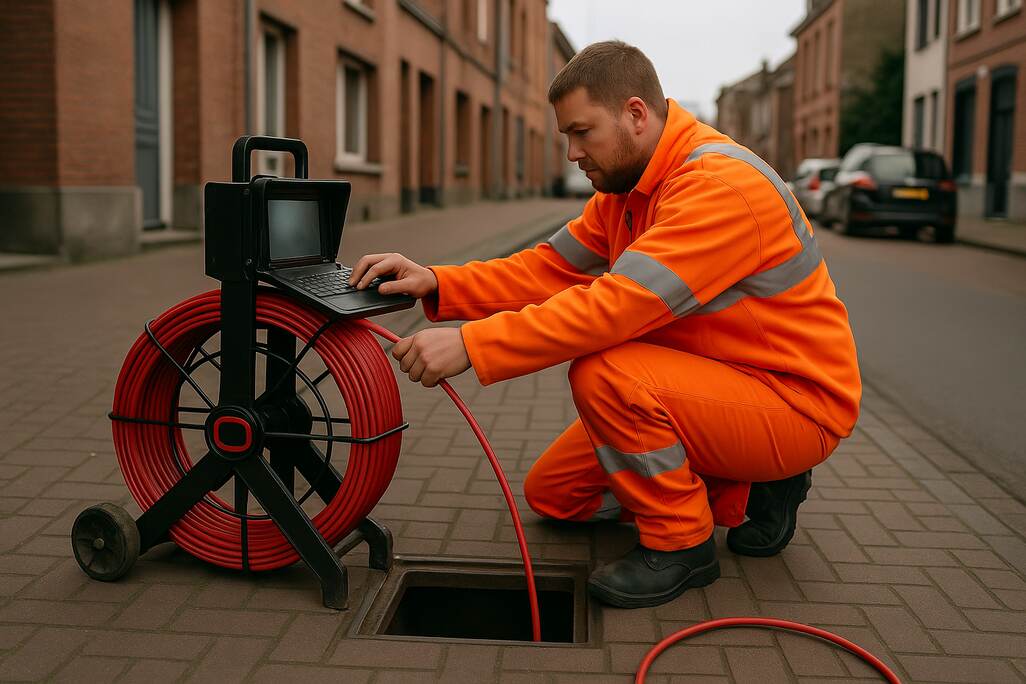
In Thorp Arch, a drainage engineer conducts a CCTV survey, feeding a red camera cable into a manhole and monitoring real-time footage on a portable screen.
Key Features of CCTV Drain Surveys
The following highlights key features of CCTV drain surveys, providing essential insights into their role in maintaining efficient drainage systems. By understanding these features, you can clearly see the benefits of drainage surveyor inspection method in swiftly diagnosing issues, reducing maintenance costs, and ensuring minimal disruption to your property or business operations.
Non-Invasive Inspection
Inspections are carried out using specialised cameras, eliminating the need to dig trenches or dismantle existing pipes. This non-invasive approach protects your property from unnecessary damage, enabling faster and more efficient surveys.
Live Footage
Live video feed provides instant visual insights, making it possible to rapidly detect and pinpoint drain problems. Having instant visuals ensures quicker decision-making, preventing minor issues from escalating into major problems.
Detailed Reporting In Thorp Arch
A CCTV survey produces comprehensive data, clearly highlighting existing problems within the Thorp Arch drainage network. Reports offer actionable insights, helping professionals address Thorp Arch drainage concerns quickly and effectively.
Non Dig Low Impact Process
This non-invasive approach suits homes, businesses, and public areas, providing thorough inspections without needing to dig up pipes. As no digging is required, it’s a practical and convenient solution for maintaining the integrity of properties and minimising disruption.
Significantly quicker than conventional inspection methods.
CCTV drain surveys significantly speed up inspection times, offering results much faster than conventional sewer line inspection methods. Rapid diagnosis through CCTV surveys enables quicker problem-solving, ensuring minimal inconvenience and prompt restoration of normal drainage function.
Advantages of CCTV Drain Surveys
Using CCTV technology dramatically enhances drainage inspections, making them more precise and thorough than traditional methods. This superior accuracy leads to faster solutions, lower costs, and reduced disruption.
Cost Savings
- Avoid costly excavations and unnecessary pipe replacements.
- Early Issue Detection
- Proactively recognising drainage issues can significantly reduce repair costs.
Exact Problem Identification
- Accurately identify areas affected by root ingress, cracks, or potential pipe collapses.
- Offers quicker results compared to older inspection techniques.
Applications of CCTV Drain Surveys
CCTV drain surveys are highly flexible, suitable for everything from regular inspections to detailed diagnostic evaluations. Their adaptability makes them essential for various drainage management situations—here some reasons for using a CCTV drain survey:
Thorp Arch Home Applications
- Identifying domestic drainage issues effectively.
- Thorp Arch Business and Industrial Surveys
- Ensuring smooth operations by regularly surveying large-scale drainage systems.
Business and Industrial Drain Surveys
- Scheduled inspections proactively ensure large drainage systems are functioning properly.
- Quickly detecting drainage problems in commercial environments such as factories, hotels, and office buildings.
Why Thorp Arch Home Buyers Should Consider a CCTV Drain Survey
Purchasing a new in Thorp Arch is exciting, but concealed problems, especially in the drainage system, can easily turn that excitement into frustration. Performing a CCTV drain survey before closing your purchase can save you from costly issues later.
A CCTV drain survey involves inserting a HD camera mounted on a bendable rod into the home’s drainage system. This camera sends real-time images back to the technician, allowing them to thoroughly inspect the pipes’ condition, detect blockages, cracks, collapsed pipes, tree root intrusions, and other potential problems.
Early Detection of Hidden Problems
Drainage problems aren’t usually visible during a regular home viewing or even a standard homebuyer survey. A CCTV survey can uncover hidden defects that, if unnoticed, could lead to significant repairs or critical situations after purchase.
Negotiating a Fair Property Price
Knowing the condition of the drainage system provides leverage in settling the property’s price. If issues are discovered, home buyers can request the seller to address them or negotiate a lower price to reflect the repair costs.
Ensuring a Stress-Free Move
Understanding the exact condition of the drains before moving into your new in Thorp Arch home gives you reassurance. It ensures that your new property won’t immediately incur unexpected expenses related to the drainage system.
- Pipe Blockages: Frequently caused by grease build-up, foreign objects, or improper flushing habits.
- Pipe Collapses: Older clay or cast-iron pipes may collapse over time due to deterioration or ground movement.
- Tree Root Intrusion: Roots can penetrate drain joints or cracks, causing significant blockages and structural damage.
- Pipe Leaks and Cracks: Even minor leaks or cracks can lead to significant issues over time, including structural damage and environmental pollution.
The cost of a CCTV drain survey varies depending on factors like property size, location, and drainage complexity. Typically, a standard homebuyer survey ranges from £100 to £300. While this might seem an added expense, the potential savings from avoiding major repairs far outweigh the initial cost.
Ideally, a CCTV drain survey should be conducted as part of your pre-purchase inspection, alongside your standard property survey. This allows sufficient time to negotiate with the seller should issues arise.
After the survey, you’ll receive a detailed report outlining any issues found, complete with video footage and photographs. If significant problems are detected, you can discuss them with the seller and potentially negotiate repair terms or adjustments to the sale price.
Advanced Drainage Survey Uses
CCTV inspections quickly detect invasive tree roots, allowing for prompt intervention to prevent serious drainage issues. They also thoroughly evaluate pipe conditions, verifying structural integrity after construction work or following flooding incidents.
The Process of Conducting CCTV Drain Surveys
Employing methodical procedures, CCTV surveys thoroughly inspect drainage systems to precisely diagnose any issues.
Step One: Preliminary Assessment
- Drainage professionals assess the issue to determine the best camera entry point.
- Pipes are cleaned before camera insertion to ensure clear visual inspection.
Second Stage: Deploying the Camera
- Insertion of flexible cameras into the drainage system facilitates thorough inspections.
- Operators guide the camera through pipes, capturing real-time images.
Analysis and Reporting Stage
- Recorded images are examined thoroughly to detect drainage system issues.
- Comprehensive reports outline findings with actionable repair recommendations and visuals.
Post-Survey Actions and Recommendations
- Post-survey actions might include pipe cleaning, lining repairs, or pipe replacement.
- Documentation from surveys can be utilised for insurance or legal cases.
Key Equipment Used in CCTV Surveys
High-quality survey tools are essential for effective drainage assessments, providing detailed and reliable inspection results.
Drain Survey Camera Types
Crawler Cameras, equipped with motorised wheels, efficiently inspect larger-scale or industrial drainage networks, covering extensive pipe lengths.
Video Capture Systems
Precision video capture systems provide clear footage for comprehensive reporting. Dedicated reporting software securely stores data and generates thorough documentation.
Supplementary Survey Tools
Drain Jetting Equipment efficiently clears debris and blockages before the camera survey begins, ensuring unobstructed views and precise inspection results.
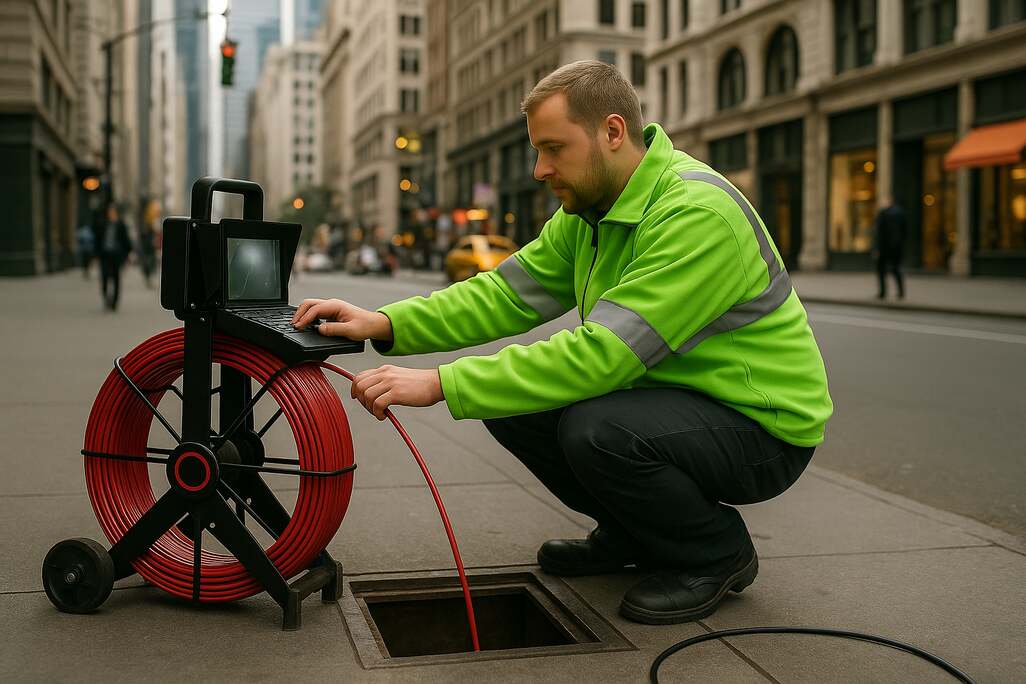
A drainage engineer in Thorp Arch performs a CCTV drain survey on a city street, carefully guiding a red inspection cable into a manhole while reviewing live footage.
Determining When to Conduct a CCTV Drain Inspection
Being aware of the ideal timing for arranging a CCTV drain survey can help identify minor issues before they escalate.
Common Situations
- Consistent blockages or slow-draining pipes.
- Detectable odours or clear indications of leaks.
- Including a drain inspection is advisable for pre-purchase checks.
- Post-construction drain inspections confirm no damage occurred during works.
CCTV Drain Surveys for Effective Non-Dig Repairs In Thorp Arch
CCTV pipe inspections are not only valuable for spotting problems but also integral to modern trenchless drain repair techniques. No-dig repair methods are quickly gaining popularity due to their efficiency, minimal disruption, and cost-effectiveness compared to traditional excavation methods.
Explaining Trenchless Drain Repair Techniques
Non-dig drain repairs entail restoring damaged drainage systems without the need for extensive digging or excavation. Techniques such as pipe relining and spot repairs enable professionals to effectively fix issues within pipes with minimal disruption to landscapes, driveways, and buildings.
Why CCTV Surveys are Essential for Trenchless Repairs
1. Accurate Diagnosis of Drain Issues
Before undertaking a trenchless repair, it is crucial to precisely understand the condition and exact location of damage within a drain. CCTV surveys offer a clear, real-time view inside pipes, allowing technicians to identify issues like cracks, leaks, root intrusions, and corrosion accurately.
2. Planning the Repair
Once the drain issue is identified, the CCTV footage helps technicians decide on the most appropriate trenchless repair method. They can select the correct materials, determine the size of lining or patch needed, and pinpoint the precise area requiring attention.
Post-Repair Inspection
After the no-dig repair, CCTV surveys are used again to verify that the work has been completed successfully. The camera inspection confirms that the lining or patches have been properly installed, creating a strong, durable, and fully functioning drainage system.
Advantages of CCTV-Guided Non-Dig Repairs
- Less Disruption: No extensive excavation means gardens, driveways, and pavements remain intact.
- Reduced Costs: Reduced labour, less excavation equipment, and fewer materials mean substantial cost savings.
- Fast Repairs: Faster repairs with reduced downtime compared to traditional digging methods.
- Accurate Repairs: Accurate detection ensures targeted repairs, enhancing the durability and lifespan of the drainage system.
When CCTV-Assisted Non-Dig Repairs Are Ideal
Non-dig repairs using CCTV inspections are ideal for homeowners, businesses, and local authorities when:
- The drainage issue is beneath buildings or expensive landscaping.
- Quick repairs with minimal disruption are essential.
- Traditional excavation methods would be prohibitively expensive or disruptive.
Proactive Drain Maintenance via CCTV Surveys
Routine CCTV drain surveys protect your drainage system by identifying potential issues early, significantly extending its lifespan.
Planning Routine Drain Surveys
- Yearly drain surveys are recommended for properties prone to blockages and root issues.
- Ongoing routine CCTV surveys are essential for effective drainage system maintenance.
- Early inspections detect minor drainage issues before they become costly repairs.
Early Problem Identification
Identifying drainage problems promptly avoids expensive repairs.
Selecting a CCTV Drain Survey Specialist
Hiring a knowledgeable specialist guarantees precise drain assessments.
Key Criteria
- Professionals in Thorp Arch must demonstrate expertise in handling multiple drainage system types.
- The expert must utilise up-to-date, reliable equipment.
- Comprehensive reports with actionable repair suggestions are crucial.
In summary, CCTV surveys offer unmatched accuracy for evaluating drainage problems.
Whether for regular checks, emergency repairs, or pre-purchase inspections, these surveys provide exceptional accuracy, convenience, and savings.
Understanding how surveys work ensures property owners make informed maintenance decisions.
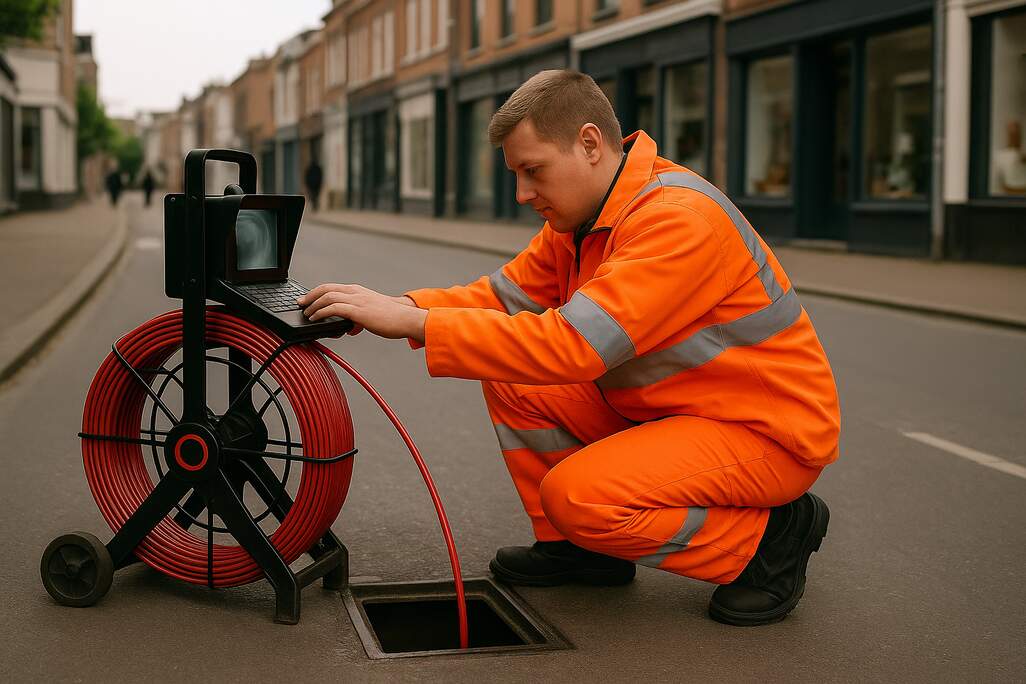
A drainage engineer in Thorp Arch operates a CCTV inspection reel, inserting a red cable into a manhole while monitoring footage on-screen during a street survey.
Drain Issue Reporting Procedures
Encountering drainage concerns? Here’s how to address and report different scenarios:
CCTV Drain Survey and Repair Duties
Being aware of your drainage maintenance obligations allows you to arrange prompt surveys and repairs, preventing further complications.
Responsibilities of Property Owners
- Usually, property owners manage internal drainage systems and private plumbing.
- It is up to homeowners to schedule CCTV surveys if drainage issues arise.
- Post-survey drain repairs are typically handled by the property owner.
- Managing Shared and Public Drains
Joint Drainage Duties Thorp Arch
- Shared drainage typically involves joint responsibility among adjacent properties.
- Public sewers are managed and inspected by local water authorities.
Procedure for Drain Issue Reporting
Report private drainage concerns to an experienced drainage specialist.
Public sewer line issues should be reported to your local water authority.
Report any public health-related drainage issues immediately to your local council. Clearly understanding these responsibilities ensures efficient management and resolution of drainage issues.
Common Drain Problems in Thorp Arch and the Importance of CCTV Surveys
Older drainage networks frequently suffer from deterioration and repeated blockages. Cracking or collapsing pipes are common causes of drainage system failure and flooding.
Problems from Tree Root Ingress
CCTV drain surveys rapidly detect root intrusions, allowing timely intervention to prevent major drainage problems.
Weather-Related Drainage Issues
Heavy rainfall often overwhelms drainage systems, leading to flooding and blockages. Check the weather in Thorp arch here.
Regulations and Legal Compliance
During building or renovation projects, drain surveys may be legally required in specific situations:
Drainage Regulations in Thorp Arch: When is a CCTV Survey Necessary?
Local building guidelines frequently mandate CCTV inspections during significant renovation work. Conducting CCTV surveys ensures adherence to regulations by identifying issues early.
Why CCTV Drain Surveys Matter for Property Extensions
A pre-extension CCTV drain inspection helps prevent regulatory issues and costly construction delays.
Business Drainage Needs and Considerations
For business properties, drainage management is particularly critical. Consider the following:
Ensuring Regulatory Compliance through CCTV Surveys
By quickly identifying drainage problems, CCTV surveys are invaluable for businesses aiming to maintain smooth operations and regulatory compliance.
Drain Infrastructure Surveys for Development Projects
Performing CCTV surveys prior to construction clearly identifies existing drainage layouts, significantly reducing the risk of costly disruptions.
Thorp Arch Local Authority Use of CCTV Surveys
Local councils in Thorp Arch routinely conduct CCTV drain surveys to monitor the condition of public drainage systems. These inspections help identify blockages or damage early, allowing for timely maintenance and reducing the risk of flooding.
CCTV Drain Surveys for Industrial Estates in Thorp Arch
Regular CCTV drain surveys are vital for industrial estates in Thorp Arch. They allow for early detection of drainage issues, helping to prevent system failures that could disrupt operations or cause costly downtime.

